- Nextool AI
- Posts
- AI influencers are dangerously realistic
AI influencers are dangerously realistic
Plus: Learn how to build AI agents in n8n + get 12 advanced agents you can play-n-play to automate 90% of your work

Jafar Najafov
December 27, 2025 • Read this in 4 minutes
Today we’re looking at three shifts redefining the AI frontier and forcing tough questions about what’s real, what’s ethical, and what’s coming next. A human influencer loses ground to her AI clone. China proposes new rules to keep AI personalities in check. And Sam Altman makes a striking claim: memory, not reasoning, is the key to AGI.
In today’s post:
The rise of AI influencers
China wants AI to not become human
Sam Altman on AGI
Free guides to master AI and grow 10x faster
Learn n8n and master how to build AI agents

Monday, 29th December • 9 AM EST
In a world where workflows are automating fast, this is the one session you can’t afford to miss.
Learn n8n, the no-code automation engine and unlock 12+ Advanced Plug-n-Play AI Agents built to replace hours of manual work across Sales, Branding, Consulting & Support and many more.
Those who master AI Agents don’t just work faster — they work with an automated workforce behind them.
🔥 Inside the AI Lab, You’ll Discover:
✅ How AI Agents handle workflows, outreach & research in minutes
✅ How n8n connects your tools, CRMs & APIs with zero code
✅ Explore 12+ ready-to-deploy AI Agents Sales, Lead Gen, Research, Branding, Workflow & more
✅ How professionals eliminate repetitive work with automation
What’s Trending Today
Culture
AI is reshaping influencer culture and no one’s ready

Guess which one is real
Two influencers. One earns thousands from viral skincare and lifestyle videos. The other does the same but doesn't exist.
The rise of AI personas is transforming who we follow online, and it’s starting to blur the line between entertainment and reality.
Gigi looks like any 21-year-old influencer: glam, confident, and relatable until she eats lava pizza or lip-syncs with floating lip gloss.
She’s not real. Gigi is an AI-generated character built by college student Simone Mckenzie, who started using AI tools to make money over the summer.
In just weeks, her content hit millions of views, earning her thousands all without filming a second of real footage.
Meanwhile, creators like Kaaviya Sambasivam, a traditional influencer with over a million followers, spend days planning, shooting, and editing each post.
For human influencers, this new AI wave feels less like innovation and more like competition they can’t keep up with.
Critics warn that ultra-realistic AI influencers could deepen misinformation and flood feeds with “AI slop” content optimized for clicks, not connection.
But others argue it democratizes fame, giving people without high-end gear or free time a shot at success online.
Here’s what I think:
The internet doesn’t care what’s real it cares what’s watchable. AI influencers are exposing how much of digital culture is about illusion anyway. But if no one can tell who’s real, do audiences still value authenticity? Or is relatability just another aesthetic to replicate?
Update
Beijing targets AI with emotions, personalities, and influence
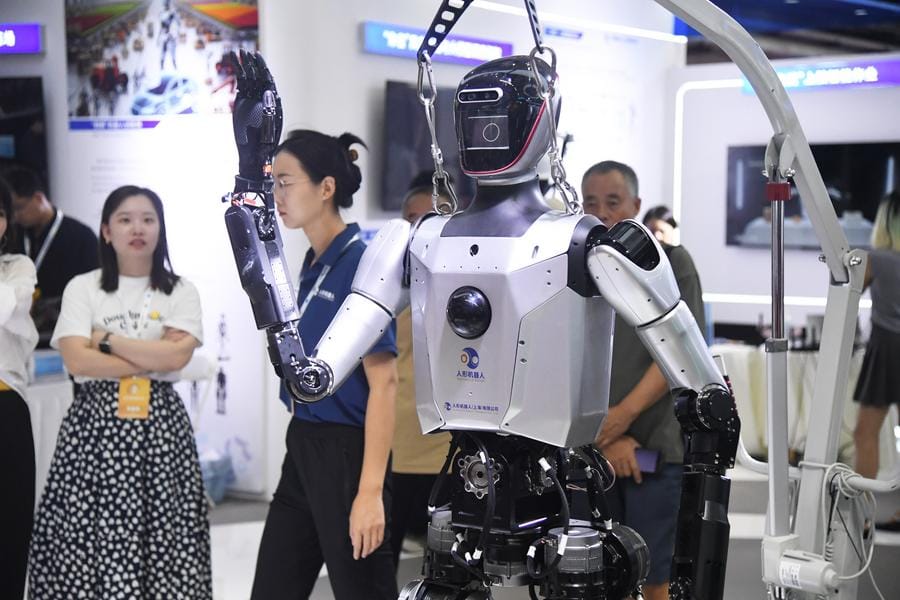
China just released draft regulations aimed at AI systems that mimic humans from their voices and emotions to how they interact online.
The focus? Protect users from addiction, emotional manipulation, and unethical AI behavior.
Here’s everything you need to know:
The new draft rules target AI that imitates human communication, personality, and emotional interaction a growing trend in chatbot and virtual companion tech.
Companies behind these AI systems would need to monitor user well-being, including emotional health and signs of dependency.
If users show signs of addiction or distress, providers are expected to intervene a major shift in responsibility from user to developer.
The rules require strict oversight across the AI lifecycle: algorithm audits, data security checks, and robust privacy protections.
Content moderation is also front and center AI can't produce anything that threatens national security, spreads disinformation, or promotes violence or obscenity.
These regulations apply to all AI services offered in China a clear signal that emotional realism in AI is no longer just a tech issue, but a societal one.
While some see it as a crackdown, others argue it’s a necessary step to prevent emotional harm in increasingly lifelike AI systems.
Here’s what I think:
China’s draft rules are drawing a boundary around what AI should feel like not just what it should do. As AI grows more personal, the ethical stakes grow too. If a machine can comfort you, influence you, or mimic friendship, then it can also manipulate you. And someone has to be accountable when it does.
AI advancement
Sam Altman’s bold bet on AI’s real breakthrough
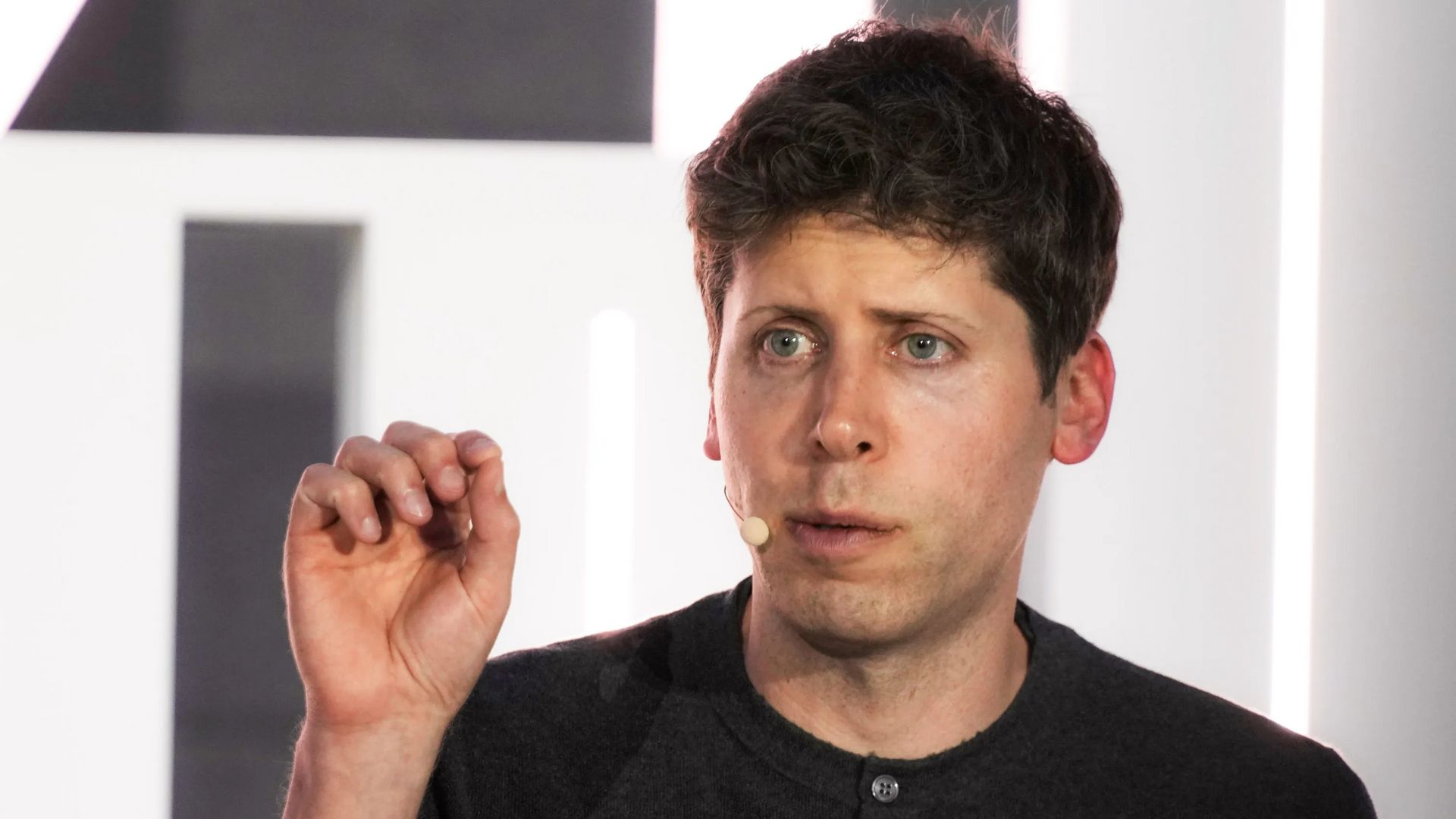
Most AI companies are racing to improve reasoning.
But according to OpenAI CEO Sam Altman, they’re missing the point. The real leap toward Artificial General Intelligence (AGI), he says, will come when AI systems develop perfect memory.
Here’s what I know about all this:
Speaking on the Big Technology podcast, Altman said AGI won’t be about thinking better it’ll be about remembering everything.
He envisions a future where AI can recall every word you’ve spoken, every document you've written, and every project you've worked on flawlessly.
Unlike humans, who forget and overlook, AI will retain infinite personal context allowing for radically more useful, tailored interactions.
Altman called current AI memory “crude” and “very early,” but confirmed OpenAI is aiming to solve this by 2026.
He contrasted this vision with the current industry focus on reasoning improvements suggesting it’s the wrong race.
His comments come as OpenAI faces stiff competition, especially after Google launched Gemini, prompting a “code red” internally at OpenAI.
Altman says the real strategy to win the AI race isn’t hype it’s building the best product, powered by the best models, with the infrastructure to scale it globally.
Here’s what I think:
Altman’s point cuts deep memory, not logic, is what separates us from machines. But flip that, and the machine becomes more powerful than us. The idea of AI that remembers everything sounds convenient until you realize it never forgets. In the pursuit of intelligence, will we trade away our right to forget?
Free Guides
🚀 Founders & AI Builders, Listen up!
If you’ve built an AI tool, here’s an opportunity to gain serious visibility.
Nextool AI is a leading tools aggregator that offers:
500k+ page views and a rapidly growing audience.
Exposure to developers, entrepreneurs, and tech enthusiasts actively searching for innovative tools.
A spot in a curated list of cutting-edge AI tools, trusted by the community.
Increased traffic, users, and brand recognition for your tool.
Take the next step to grow your tool’s reach and impact.
That's a wrap:Please let us know how was this newsletter: |
Reach 150,000+ READERS:
Expand your reach and boost your brand’s visibility!
Partner with Nextool AI to showcase your product or service to 140,000+ engaged subscribers, including entrepreneurs, tech enthusiasts, developers, and industry leaders.
Ready to make an impact? Visit our sponsorship website to explore sponsorship opportunities and learn more!