- Nextool AI
- Posts
- AI just got physical
AI just got physical
Plus: Artists and AI Just Made a Film Together

Jafar Najafov
January 27, 2026 • Read this in 3 minutes
In partnership with

Today we are going to see at Sundance, Google DeepMind unveiled a short film where AI doesn’t just assist, it co-creates. It’s a glimpse at what happens when artists lead and machines follow. Also Honeywell says “physical AI” has arrived with over 200,000 real-world deployments now optimizing energy, logistics, and more in places like airports and factories.
In today’s post:
AI Is Quietly Running Your Building Now
Google DeepMind made a short film
AI is moving fast but is your security?
SPONSORED BY
What Will Your Retirement Look Like?

Planning for retirement raises many questions. Have you considered how much it will cost, and how you’ll generate the income you’ll need to pay for it? For many, these questions can feel overwhelming, but answering them is a crucial step forward for a comfortable future.
Start by understanding your goals, estimating your expenses and identifying potential income streams. The Definitive Guide to Retirement Income can help you navigate these essential questions. If you have $1,000,000 or more saved for retirement, download your free guide today to learn how to build a clear and effective retirement income plan. Discover ways to align your portfolio with your long-term goals, so you can reach the future you deserve.
What’s Trending Today
RESEARCH
Honeywell is bringing AI into the real world

Honeywell says “physical AI” is no longer experimental. In 2025 alone, over 200,000 buildings started using it from car factories to hospitals.
Here’s everything you need to know:
“Physical AI” means AI that controls real-world systems like energy use, logistics, or manufacturing workflows.
Honeywell’s president said it moved from pilot stage to full-scale deployment in just one year.
It’s now used to manage energy sources in buildings based on time-of-day pricing and demand.
Airports, hospitals, and factories are early adopters chasing efficiency, not hype.
This isn’t ChatGPT; it’s AI deciding which machines run and when.
Honeywell sees this as a long-term growth area, not just a tech trend.
The shift suggests AI’s biggest impact might be invisible quietly optimizing the physical world.
While headlines chase AI that writes poems, the real transformation might be in places we never see HVAC systems, assembly lines, power grids. If “physical AI” keeps scaling like this, it could be the most boring and most important part of the AI revolution.
STRATEGY
The most human use of AI we’ve seen yet
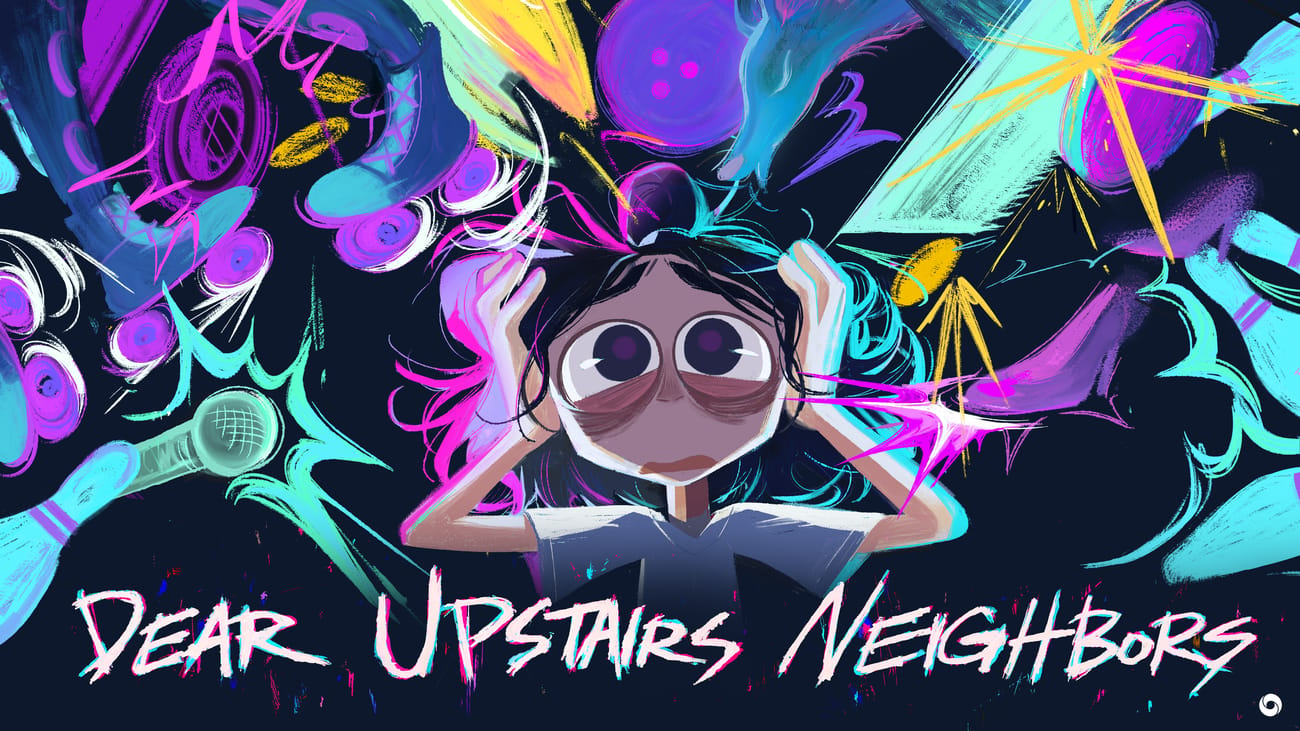
Image Credits: Google
At Sundance this week, Google DeepMind premiered “Dear Upstairs Neighbors.”
It’s an animated short where AI and human artists blur the line between dream and noise complaint.
Here’s everything you need to know:
The film tells the story of Ada, a woman desperate for sleep and slowly unraveling.
Every hallucination she has stomping boots, howling dogs is rendered in wild, painterly styles.
Artists led the process, using traditional tools like Maya and TV Paint to sketch scenes.
Then, DeepMind researchers used fine-tuned AI models (Imagen, Veo) to stylize and animate them.
This wasn’t a prompt-and-go project they built custom workflows for creative control.
“Video-to-video” techniques let animators rough out motion, then AI painted over it.
The team learned that AI works best when it supports not replaces the artist’s hand.
This project isn’t about flashy AI breakthroughs it’s about collaboration. Artists shaped the models, not the other way around. The result? A film that feels deeply personal, yet powered by technology most people think of as impersonal. Maybe that’s the real future of AI in storytelling.
BREAKTHROUGH
Zscaler wants to lock down the AI lifecycle before it breaks
Image credits: Zscaler
As AI floods the enterprise, Zscaler says security models need a reset. Their pitch: traditional firewalls can’t handle AI but Zero Trust can.
Here’s everything you need to know:
Zscaler launched a unified platform to secure every phase of the enterprise AI lifecycle.
It detects “shadow AI” unsanctioned apps and tools that quietly creep into workflows.
Their platform protects everything from user access to prompt injections and LLM hallucinations.
AI-specific red teaming tools simulate attacks and help companies patch gaps fast.
Governance tools ensure compliance and safe usage not just in theory, but in real time.
Zscaler integrates with existing workflows, aiming to make AI security a built-in layer, not a bolt-on fix.
Dozens of companies from airlines to banks already use it to monitor AI risk at scale.
AI is pushing enterprises into unfamiliar territory fast. And most companies are securing it with tools designed for a pre-AI world. Zscaler’s approach may feel heavy-handed now, but the idea of built-in AI security won’t seem optional for long. Better to be early than breached.
Free Guides
🚀 Founders & AI Builders, Listen up!
If you’ve built an AI tool, here’s an opportunity to gain serious visibility.
Nextool AI is a leading tools aggregator that offers:
500k+ page views and a rapidly growing audience.
Exposure to developers, entrepreneurs, and tech enthusiasts actively searching for innovative tools.
A spot in a curated list of cutting-edge AI tools, trusted by the community.
Increased traffic, users, and brand recognition for your tool.
Take the next step to grow your tool’s reach and impact.
That's a wrap:Please let us know how was this newsletter: |
Reach 150,000+ READERS:
Expand your reach and boost your brand’s visibility!
Partner with Nextool AI to showcase your product or service to 140,000+ engaged subscribers, including entrepreneurs, tech enthusiasts, developers, and industry leaders.
Ready to make an impact? Visit our sponsorship website to explore sponsorship opportunities and learn more!