- Nextool AI
- Posts
- GPUs are the new oil and everyone wants it
GPUs are the new oil and everyone wants it
Plus: Learn how to build AI agent team to automate 100% of our work

Jafar Najafov
January 02, 2026 • Read this in 3 minutes
Today we are going to see how OpenAI is shifting away from screens and toward sound. The company is working on audio-first hardware designed to make AI feel more like a companion than a tool. We are also seeing AI’s hunger for computing power is pushing GPU prices sky-high. Gamers are now competing with AI labs for the same hardware and they’re losing.
In today’s post:
AI is winning the GPU war and gamers are paying for it
OpenAI’s next big bet? Killing the screen
Kunlunxin just made its move. Here’s why it matters
Learn how to build AI agents:

Imagine having AI experts running your calendar, inbox, socials, and documents — all at once, all on autopilot.
On Saturday, 3rd January at 9AM EST in this 3 hour AI Agents Masterclass, you’ll discover how to build your own virtual team that works 24/7 without breaks, salaries, or burnout.
From automating client outreach to generating reports, these AI agents will help you reclaim your time and scale your productivity like never before.
We have it all in-house Voice Agents, MCP Agents, Conversational Agents and more.
Perfect for entrepreneurs, busy professionals, and creators who want more done in less time across every app you use.
What’s Trending Today
RESEARCH
Why your next GPU might cost more
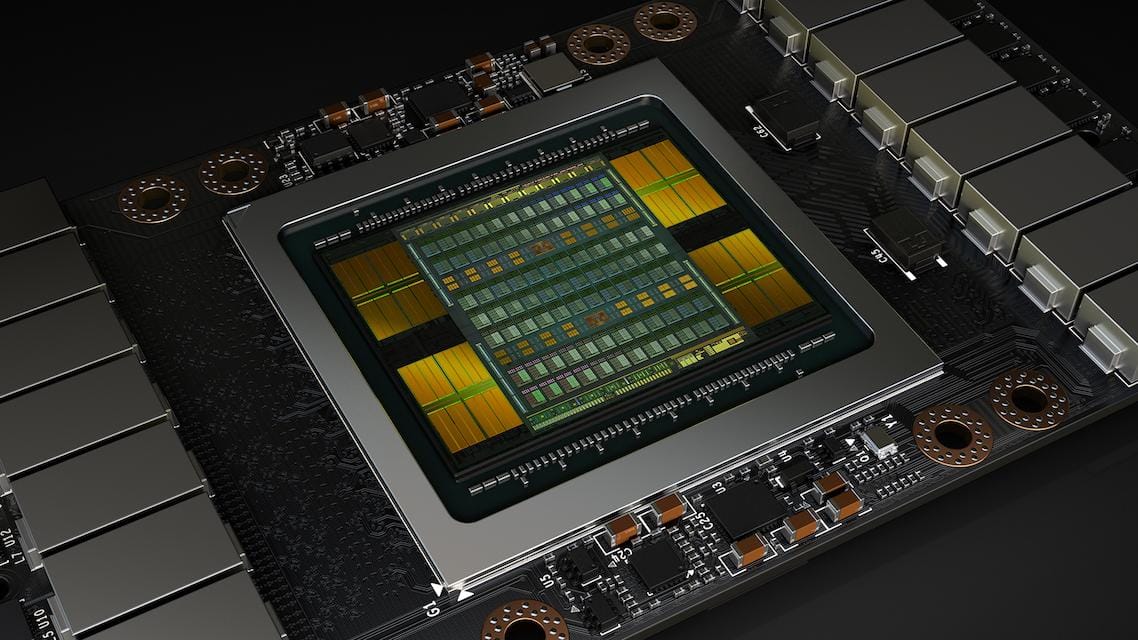
AI workloads are driving record demand for Nvidia and AMD GPUs. Gamers? They’re left scrambling in a market that’s no longer built for them.
Here’s everything you need to know:
AI training and inference need massive GPU power and they’re getting it.
Nvidia and AMD now prioritize enterprise and data center buyers over consumers.
Gaming GPUs remain expensive, with entry-level cards priced like mid-range gear.
Supply chain limits and high chip fabrication costs are fueling the crunch.
PC builders say GPUs now dominate the cost of building a system.
Nvidia’s revenue is increasingly tied to AI not gaming altering incentives.
AMD, though a cheaper option, faces the same structural pressures.
The GPU market was built on gamers but it’s now run by AI labs. Unless production scales or AI demand dips (neither likely soon), we may need to accept that affordable GPUs are a thing of the past. Gamers aren’t losing a product. They’re losing the market.
UPGRADE
Audio isn’t just a feature, it’s the future

OpenAI is quietly shifting its focus toward audio-first devices. The goal? Replace screen time with sound and reshape how we interact with tech.
Here’s everything you need to know:
OpenAI is merging teams to overhaul its audio models from the ground up.
A personal audio device is expected to launch in 2027 possibly glasses or a smart speaker.
The new models will handle interruptions and overlap speech like real conversations.
Ex-Apple design chief Jony Ive is leading hardware design with an anti-screen vision.
Startups and giants alike are betting on ambient audio interfaces from smart rings to voice-first glasses.
Meta, Tesla, and Google are already embedding audio AI into homes, cars, and wearables.
The shift marks a broader industry move: less tapping, more talking.
We’ve reached the peak of screen saturation. OpenAI’s audio push isn’t about novelty, it’s a design correction. If voice becomes the next default interface, the tech we carry might finally start to feel more human.
PROFITS
Baidu’s $3B AI chip arm quietly preps for IPO
Baidu’s AI chip unit, Kunlunxin, has confidentially filed for a Hong Kong IPO. The spin-off comes as China races to reduce its reliance on U.S. semiconductors.
Here’s everything you need to know:
Kunlunxin is valued at $3 billion after a recent fundraising round.
The IPO could mark one of Hong Kong’s biggest tech listings in 2026.
Founded in 2012, Kunlunxin began as Baidu’s in-house AI chip team.
It now operates independently, though Baidu retains majority control.
The company primarily supplies Baidu, but external sales are growing.
The move follows a wave of Chinese chip firms going public.
China sees domestic chips as critical amid rising U.S. export limits.
This isn’t just a funding play, it’s a strategic shift. Baidu spinning off Kunlunxin signals both confidence in the chip unit and urgency to scale independently. The bigger picture? China’s semiconductor race is shifting from rhetoric to real capital moves.
Free Guides
🚀 Founders & AI Builders, Listen up!
If you’ve built an AI tool, here’s an opportunity to gain serious visibility.
Nextool AI is a leading tools aggregator that offers:
500k+ page views and a rapidly growing audience.
Exposure to developers, entrepreneurs, and tech enthusiasts actively searching for innovative tools.
A spot in a curated list of cutting-edge AI tools, trusted by the community.
Increased traffic, users, and brand recognition for your tool.
Take the next step to grow your tool’s reach and impact.
That's a wrap:Please let us know how was this newsletter: |
Reach 150,000+ READERS:
Expand your reach and boost your brand’s visibility!
Partner with Nextool AI to showcase your product or service to 140,000+ engaged subscribers, including entrepreneurs, tech enthusiasts, developers, and industry leaders.
Ready to make an impact? Visit our sponsorship website to explore sponsorship opportunities and learn more!