- Nextool AI
- Posts
- Meta Pulls Its AI Image Tool After Backlash
Meta Pulls Its AI Image Tool After Backlash
Plus: Marketers Trust AI More Behind the Scenes

Jafar Najafov
July 13, 2026 • Read this in 3 minutes
In partnership with

Meta, Apple, and marketers are drawing new lines around AI. Meta retreated after users challenged its approach to image consent. Apple moved to protect confidential knowledge from a powerful rival. Marketers, meanwhile, remain cautious where trust and quality matter most. Together, these stories show AI’s biggest barrier is no longer capability. It is permission, control, and confidence.
In today’s post:
Meta learned that “public” does not mean “permission.”
Apple says OpenAI stole more than talent
Marketers trust AI, but not everywhere
SPONSORED BY
Your prompts are leaving out 80% of what you're thinking.
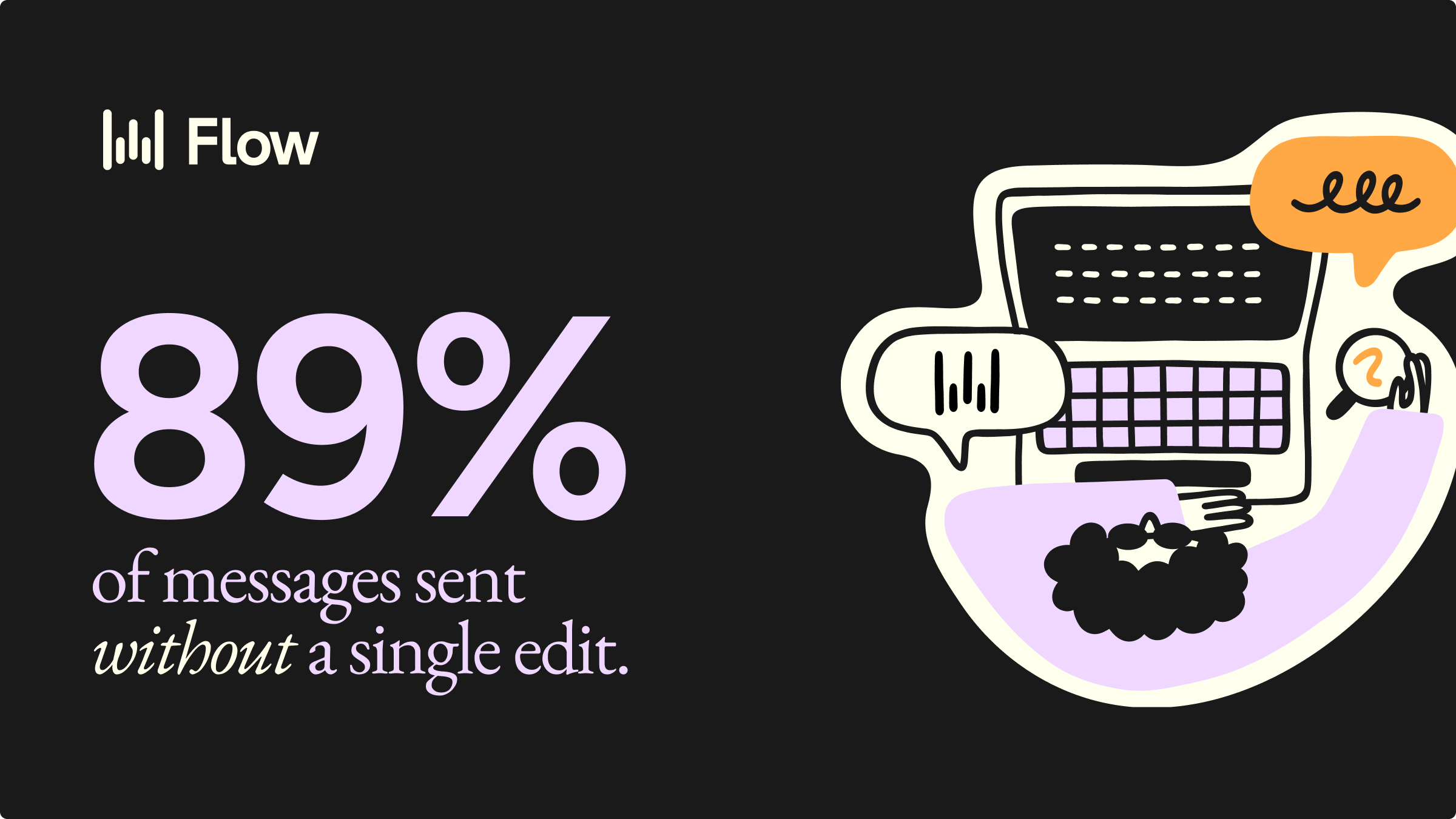
When you type a prompt, you summarize. When you speak one, you explain. Wispr Flow captures your full reasoning — constraints, edge cases, examples, tone — and turns it into clean, structured text you paste into ChatGPT, Claude, or any AI tool. The difference shows up immediately. More context in, fewer follow-ups out.
89% of messages sent with zero edits. Used by teams at OpenAI, Vercel, and Clay. Try Wispr Flow free — works on Mac, Windows, and iPhone.
What’s Trending Today
GROWTH
Meta pulled its AI image tool

Image Credits: Meta
Meta launched Muse Image last Tuesday. The backlash arrived almost immediately. The tool used public Instagram photos as creative references. Users had to opt out, not opt in. By Friday, Meta had removed the feature.
The problem was not simply AI image editing. It was assumed consent.
Public photos could become references for new AI-generated images.
The feature was activated by default for eligible public accounts.
Users had to change settings or make accounts private.
Actors feared losing control over their faces and identities.
Hannah Einbinder warned followers, while SAG-AFTRA urged members to act.
Meta listened quickly, but only after intense public pressure.
Meta treated visibility like permission. Those are very different things. People share photos for specific audiences and specific reasons. They rarely expect those images to become creative material. AI tools will keep improving. That makes consent more important, not less. The real question is not what technology can use. It is what people knowingly allowed.
STRATEGY
OpenAI’s hardware ambitions now face a serious legal test

Image Credits: Apple
Apple has sued OpenAI for alleged trade secret theft. The claims involve former Apple employees and confidential hardware information. Apple says senior OpenAI leaders directed the misconduct. OpenAI denies wanting another company’s trade secrets. The dispute could reshape its hardware plans.
Apple alleges OpenAI recruited employees for confidential product knowledge.
Former Apple executive Tang Tan is central to the complaint.
Apple claims candidates were asked to bring hardware components.
Another employee allegedly downloaded documents using an Apple laptop.
The disputed files covered unreleased products, features, and engineering details.
Apple believes its information influenced OpenAI’s developing hardware business.
The lawsuit seeks returned materials and limits on future use.
This case is about more than employee movement. Talent changes companies constantly. Confidential knowledge cannot move as freely. OpenAI wants to build hardware that could challenge Apple directly. That makes every allegation more consequential. The court must now separate normal experience from protected information. That boundary could shape how aggressively AI companies recruit next.
AI MARKETING
AI adoption slows when trust and reputation matter most

Image Credits: Marketing Eye
Modern Retail surveyed more than 100 marketing professionals. AI usage varies sharply between advertising channels. Marketers embrace it for social and retail media. Influencer campaigns and connected television remain different. Both demand trust, quality, and tighter creative control.
Only 25% use AI within their influencer marketing work.
Most adopters use AI to analyze campaign and audience data.
Brands remain cautious about synthetic influencers and consumer trust.
Agencies use AI to match human creators with campaigns.
Only 18% use AI within connected television campaigns.
Television advertisers worry poor content could damage brand perception.
Adoption will grow first through targeting, analysis, and production support.
Marketers are not rejecting AI. They are choosing where to trust it. Efficiency feels safe behind the scenes. Creative control feels harder to surrender. Influencers depend on authenticity. Television depends on production quality. AI adoption will grow fastest where mistakes remain invisible. The harder question is where audiences can immediately notice them.
Free Guides
🚀 Founders & AI Builders, Listen up!
If you’ve built an AI tool, here’s an opportunity to gain serious visibility.
Nextool AI is a leading tools aggregator that offers:
500k+ page views and a rapidly growing audience.
Exposure to developers, entrepreneurs, and tech enthusiasts actively searching for innovative tools.
A spot in a curated list of cutting-edge AI tools, trusted by the community.
Increased traffic, users, and brand recognition for your tool.
Take the next step to grow your tool’s reach and impact.
That's a wrap:Please let us know how was this newsletter: |
Reach 150,000+ READERS:
Expand your reach and boost your brand’s visibility!
Partner with Nextool AI to showcase your product or service to 140,000+ engaged subscribers, including entrepreneurs, tech enthusiasts, developers, and industry leaders.
Ready to make an impact? Visit our sponsorship website to explore sponsorship opportunities and learn more!