- Nextool AI
- Posts
- Meta’s New WhatsApp Fee
Meta’s New WhatsApp Fee
Plus: South Korea Just Passed the World’s Most Ambitious AI Law

Jafar Najafov
January 29, 2026 • Read this in 3 minutes
Today we are going to see Meta banned AI chatbots on WhatsApp now regulators are pushing back. In Italy, developers can return but every AI message comes with a fee. Also South Korea just launched the most sweeping AI law in the world. It’s being hailed as visionary and attacked from all sides.
In today’s post:
Meta to AI Devs: You Can Stay on WhatsApp, If You Pay
South Korea Regulates AI Before Everyone Else
Microsoft is making billions
What’s Trending Today
BREAKTHROUGH
WhatsApp opens to AI chatbots in Italy at a cost
After banning third-party AI chatbots, Meta is backtracking in Italy. Developers can now serve Italian users on WhatsApp but it’ll cost them.
Here’s everything you need to know:
WhatsApp will charge developers €0.0572 per AI message in Italy.
This follows regulatory pressure to lift Meta’s January 15 chatbot ban.
Meta frames the fee as compensation for infrastructure strain, not a policy shift.
Developers face steep costs if users send thousands of messages daily.
Existing API pricing only applied to template messages, this adds a new tier.
The move could create a precedent for forced AI access in more countries.
In Brazil, Meta won a court ruling and reimposed its chatbot ban.
Developers must now redirect users to websites or apps in banned regions.
OpenAI, Perplexity, and Microsoft have already pulled their bots from WhatsApp.
The tension reveals deeper conflicts over platform control vs. open AI access.
WhatsApp was never built to host AI bots and Meta wants to keep it that way. But regulators see a closed messaging platform with too much power. Charging developers is a compromise for now. But if more countries push back, Meta may have to rethink its grip on the messaging layer of the AI stack.
POLICY
South Korea Just Set the Bar for AI Regulation
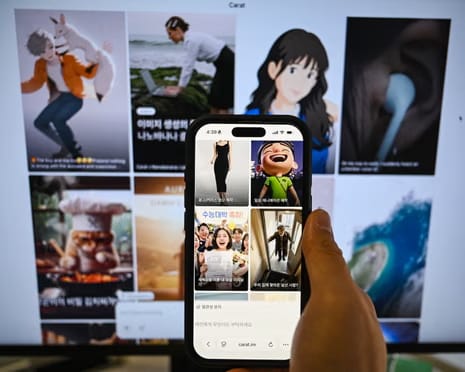
Image Credits: The Guardian
South Korea just launched the most ambitious AI regulation in the world. It’s meant to boost innovation and safety but both startups and civil groups are pushing back hard.
Here’s everything you need to know:
The new AI Basic Act requires labels on AI-generated content watermarks for art, visible tags for deepfakes.
High-risk AI (like hiring or medical tools) must be assessed and documented but companies decide what counts.
Powerful AI models need safety reports, though no current systems meet the bar.
Critics say civil protections are weak users are defined as companies, not citizens.
Enforcement is lenient at first: fines of up to $15K won’t kick in for at least a year.
98% of local AI startups say they aren’t ready for compliance.
Civil groups warn loopholes like “human involvement” make risky systems harder to regulate.
South Korea’s unique approach: flexible, trust-based, and focused on industry growth.
Deepfake abuse and scandals like Grok have shaped public pressure and urgency.
Officials say the law will evolve and could serve as a global reference point.
South Korea is trying to thread the needle protecting citizens without stifling tech. But the law still leans heavily toward industry. If it’s going to set a global standard, it’ll need to prove it can evolve fast and protect the people AI affects most.
PROFITS
Microsoft’s Big AI Bet: Profits Soar, But So Do Concerns
Microsoft just reported a 60% jump in profit. But Wall Street isn’t celebrating. Despite beating expectations, shares dipped. Why? Because Microsoft isn’t just printing money, it’s burning through it too.
Here’s everything you need to know:
Microsoft spent $37.5 billion last quarter on AI infrastructure, up 65% from last year.
Profits hit $38.5 billion on $81.3 billion in revenue but investors remain wary.
Azure, the heart of Microsoft’s AI push, grew 39%, slightly beating forecasts.
CEO Satya Nadella says we’re still early in the AI game Microsoft is already winning.
Investors fear the company’s massive AI spend may not scale profitably.
Nearly half of Microsoft’s commercial contracts are tied to OpenAI.
Microsoft is expected to get a $135B stake in OpenAI, which will spend $250B on Microsoft compute.
Customer demand is outpacing Microsoft’s AI supply capacity won’t catch up until 2026.
PC and gaming revenue fell, showing cracks in the consumer side of the business.
Rising RAM prices and Xbox declines add pressure on margins outside of AI.
Microsoft isn’t just riding the AI wave, it’s trying to own the ocean. The returns look massive now, but with huge capex, rising hardware costs, and reliance on OpenAI, the long-term risks are real. Will this be remembered as visionary… or overreach? Let’s see.
Free Guides
🚀 Founders & AI Builders, Listen up!
If you’ve built an AI tool, here’s an opportunity to gain serious visibility.
Nextool AI is a leading tools aggregator that offers:
500k+ page views and a rapidly growing audience.
Exposure to developers, entrepreneurs, and tech enthusiasts actively searching for innovative tools.
A spot in a curated list of cutting-edge AI tools, trusted by the community.
Increased traffic, users, and brand recognition for your tool.
Take the next step to grow your tool’s reach and impact.
That's a wrap:Please let us know how was this newsletter: |
Reach 150,000+ READERS:
Expand your reach and boost your brand’s visibility!
Partner with Nextool AI to showcase your product or service to 140,000+ engaged subscribers, including entrepreneurs, tech enthusiasts, developers, and industry leaders.
Ready to make an impact? Visit our sponsorship website to explore sponsorship opportunities and learn more!