- Nextool AI
- Posts
- One state just challenged the economics of AI infrastructure
One state just challenged the economics of AI infrastructure
Plus: The future of AI might be decided by power grids

Jafar Najafov
April 04, 2026 • Read this in 3 minutes
In partnership with

Maine is pausing AI data centers, Nvidia and AMD are battling for control of the AI stack, and a startup like Moonbounce is rebuilding safety from the ground up three stories that look separate, but point to the same shift. AI is no longer just software; it’s infrastructure, economics, and responsibility colliding at once. The race isn’t only about building smarter systems anymore it’s about powering them, scaling them, and controlling what they do in the real world.
In today’s post:
The hidden cost of AI nobody wants to pay
AI safety isn’t a feature, it’s becoming the product
The AI boom has two winners but only one bet
SPONSORED BY
The ops hire that onboards in 30 seconds.

Viktor is an AI coworker that lives in Slack, right where your team already works.
Message Viktor like a teammate: "pull last quarter's revenue by channel," or "build a dashboard for our board meeting."
Viktor connects to your tools, does the work, and delivers the actual report, spreadsheet, or dashboard. Not a summary. The real thing.
There’s no new software to adopt and no one to train.
Most teams start with one task. Within a week, Viktor is handling half of their ops.
What’s Trending Today
RESEARCH
AI growth is colliding with reality

Maine is taking a surprising step on AI infrastructure. Lawmakers want to pause new data centers before things get worse.
Here’s everything you need to know:
Maine is moving to halt large AI data centers until 2027, signaling early resistance to unchecked expansion
These facilities consume massive electricity, sometimes matching the needs of 20,000 homes
Data centers already use over 4% of U.S. electricity, and demand is set to double by 2030
Lawmakers fear rising power costs will hit residents first, not tech companies
Similar restrictions are now being considered across at least 10 other states
Critics argue these limits could slow economic growth and reduce investment opportunities
Supporters say this is a necessary pause to understand long-term environmental and infrastructure strain
This isn’t really about Maine. It’s about who pays for AI’s growth. For years, tech scaled quietly in the background. Now it’s physical. It needs land, water, and power. And suddenly, the costs are visible. When something becomes visible, it becomes political. Maine is just the first place where that tension surfaced. More will follow. The real question isn’t whether AI will grow. It will. The question is who absorbs the cost when it does.
AI SAFETY
The biggest AI opportunity right now isn’t smarter models
Image Credits: Business Wire
Moonbounce is building something most AI companies ignored. They’re turning safety into infrastructure, not an afterthought.
Here’s everything you need to know:
Content moderation today is broken, with human reviewers barely hitting 50% accuracy
Decisions often come too late, after harm has already spread
Moonbounce introduces “policy as code,” turning rules into real-time enforcement
Their system evaluates and acts on content in under 300 milliseconds
It can block, delay, or redirect harmful outputs before they reach users
The platform already handles 40 million daily reviews across 100 million users
AI companies now see safety not as compliance, but as a competitive advantage
We’re entering a new phase of AI. Not smarter. Not faster. For years, safety was treated like cleanup. Something you fix later. But AI doesn’t work like that. When intelligence scales instantly, mistakes do too. So the companies that win won’t just generate content. They’ll control it. Shape it. Restrain it. Safety isn’t slowing AI down. It’s becoming the reason people trust it at all.
AI ECONOMY
Nvidia built the AI era, but AMD may own what comes next
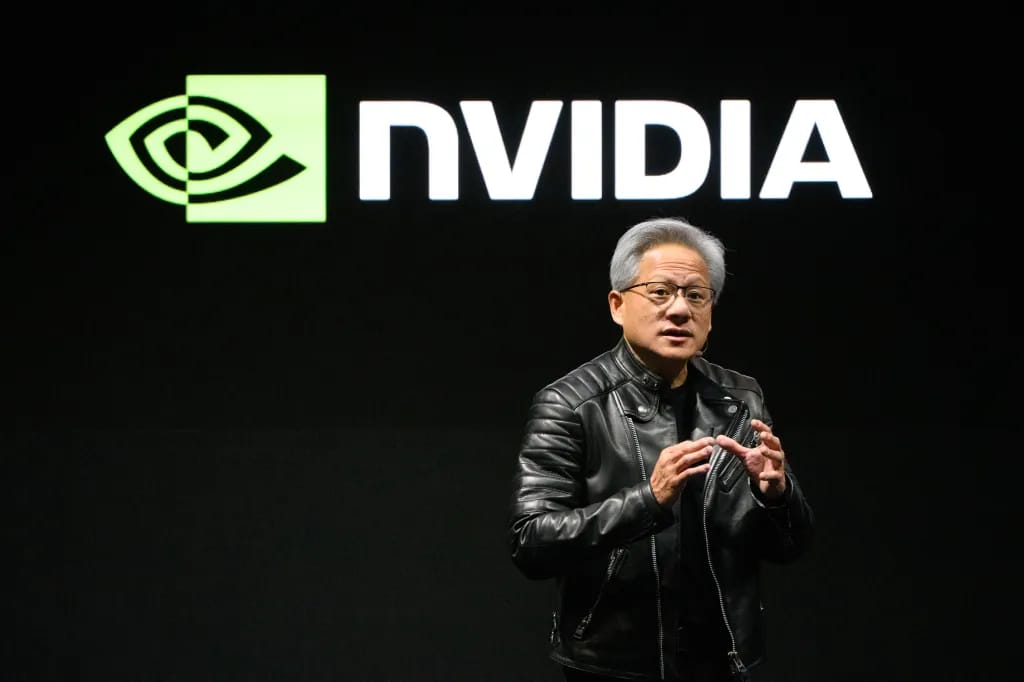
Nvidia and AMD are shaping the AI economy. But they’re playing very different games right now.
Here’s everything you need to know:
Nvidia dominates AI training with nearly 90% GPU market share and massive demand
Its revenue exploded from $17B in 2021 to over $200B in 2026
The company evolved from chips into a full AI infrastructure ecosystem
AMD is focusing on inference, where future AI demand may be larger
It secured major deals with OpenAI and Meta, forcing adoption of its ecosystem
AMD also leads in data center CPUs, critical for managing AI agents
As AI shifts from training to real-world usage, AMD sits at a key leverage point
Nvidia won the first phase of AI. That phase was about building intelligence. The next phase is about using it. That’s where things get interesting. Training models is expensive but finite. Usage is constant. And whoever owns the “usage layer” controls the long-term value. Nvidia still has momentum. But AMD is better positioned for what comes next. This isn’t about who’s winning today. It’s about who benefits when AI becomes boring.
Free Guides
🚀 Founders & AI Builders, Listen up!
If you’ve built an AI tool, here’s an opportunity to gain serious visibility.
Nextool AI is a leading tools aggregator that offers:
500k+ page views and a rapidly growing audience.
Exposure to developers, entrepreneurs, and tech enthusiasts actively searching for innovative tools.
A spot in a curated list of cutting-edge AI tools, trusted by the community.
Increased traffic, users, and brand recognition for your tool.
Take the next step to grow your tool’s reach and impact.
That's a wrap:Please let us know how was this newsletter: |
Reach 150,000+ READERS:
Expand your reach and boost your brand’s visibility!
Partner with Nextool AI to showcase your product or service to 140,000+ engaged subscribers, including entrepreneurs, tech enthusiasts, developers, and industry leaders.
Ready to make an impact? Visit our sponsorship website to explore sponsorship opportunities and learn more!