- Nextool AI
- Posts
- Picsart expands beyond editing with AI agents
Picsart expands beyond editing with AI agents
Plus: OpenAI faces a new copyright fight

Jafar Najafov
March 17, 2026 • Read this in 4 minutes
In partnership with

Three AI stories this week pointed to the same shift. Picsart is turning creative tools into AI agents, NVIDIA is building hardware for a world run by agentic systems, and OpenAI is facing deeper legal pressure over how AI is trained and deployed. Put together, they show where the market is heading: AI is becoming more embedded, more operational, and more contested at the same time. The tools are getting more capable, the infrastructure is getting more specialized, and the questions around ownership and trust are getting harder to ignore.
In today’s post:
Picsart wants to turn creators into managers
NVIDIA just made a bigger AI bet than it seems
The copyright fight around AI just got sharper
SPONSORED BY
Scale Your IRL Campaigns Like Digital Ads

Out Of Home advertising has long been effective but hard to scale—until now. AdQuick makes it simple to plan, deploy, and measure campaigns with the same efficiency and insight you expect from online marketing tools.
Marketers agree: OOH is powerful for brand growth, driving new customers, and reinforcing messaging. AdQuick makes it easy, intuitive, and data-driven—so you can treat real-world campaigns like any other digital channel.
What’s Trending Today
AI AGENTS
Picsart is betting creators want AI teammates, not just tools
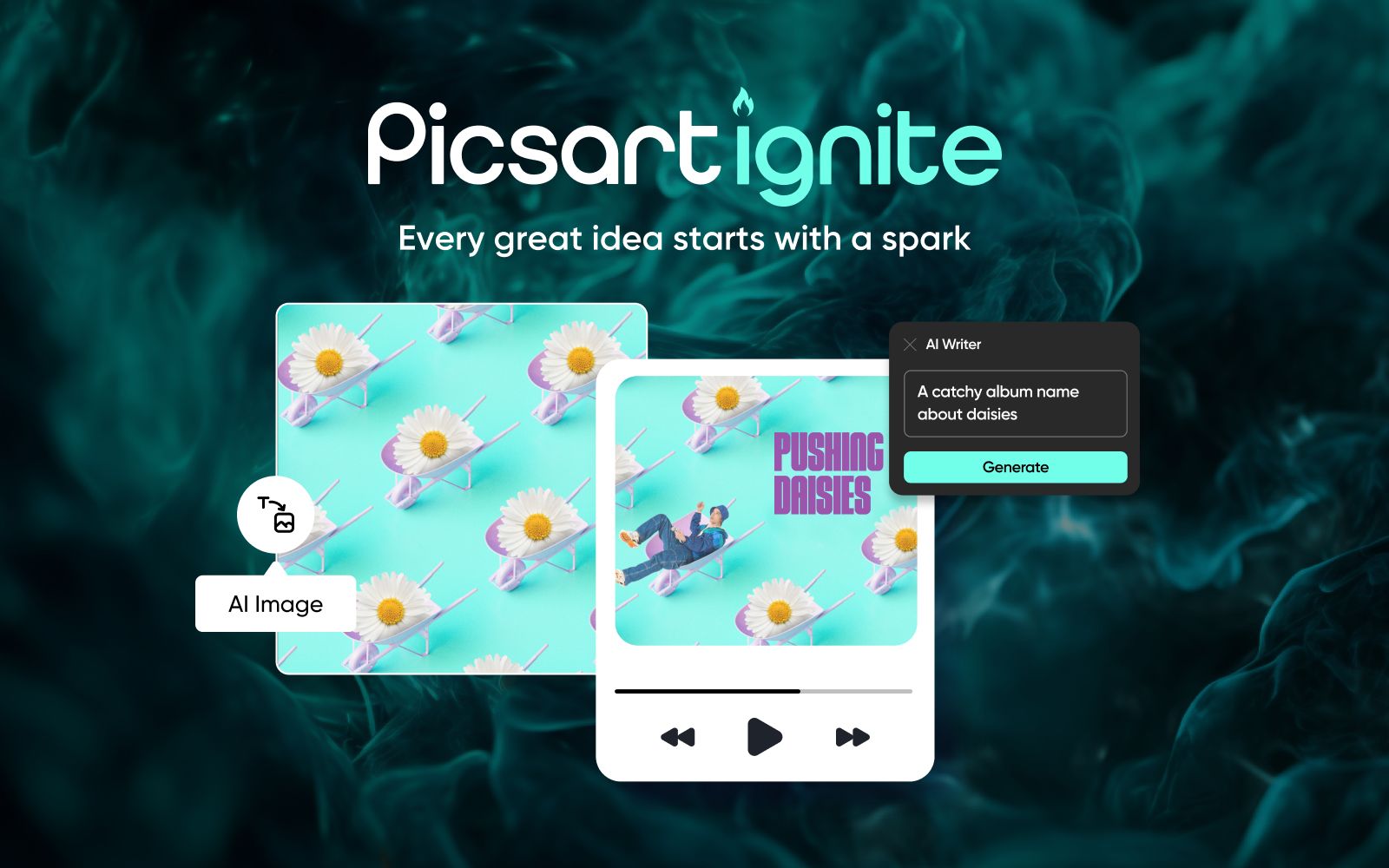
Image Credits: Picsart
Picsart just launched an AI agent marketplace for creators. The move pushes its platform beyond editing and into delegated work.
Picsart now lets creators use AI agents for tasks like resizing content, remixing visuals, and editing Shopify product photos.
The bigger shift is strategic: creators are no longer expected to do every step themselves. They can set the goal, review the plan, and let the agent handle execution.
The first four agents are Flair, Resize Pro, Remix, and Swap, each built for a narrow workflow instead of broad, vague assistance.
Flair stands out because it connects with Shopify, analyzes trends, and suggests improvements to product presentation and store performance.
Resize Pro solves a common creator pain point by adapting content for different platforms, while using AI to extend frames instead of awkwardly cropping them.
Picsart is also placing these agents inside WhatsApp and Telegram, which matters because creators already manage work inside messaging apps.
The opportunity is clear, but so is the risk: AI agents can still hallucinate or act incorrectly, so Picsart’s approval settings may matter as much as the agents themselves.
This is a smart product direction. Most creators do not need more tools. They need less manual work. Picsart seems to understand that the winning AI products will not just generate assets. They will reduce decisions, speed up workflows, and fit into places people already work. The real test is simple: do these agents save time without creating new errors? If yes, this becomes useful fast. If not, it stays a demo.
LAUNCH
Vera shows NVIDIA wants to own the system
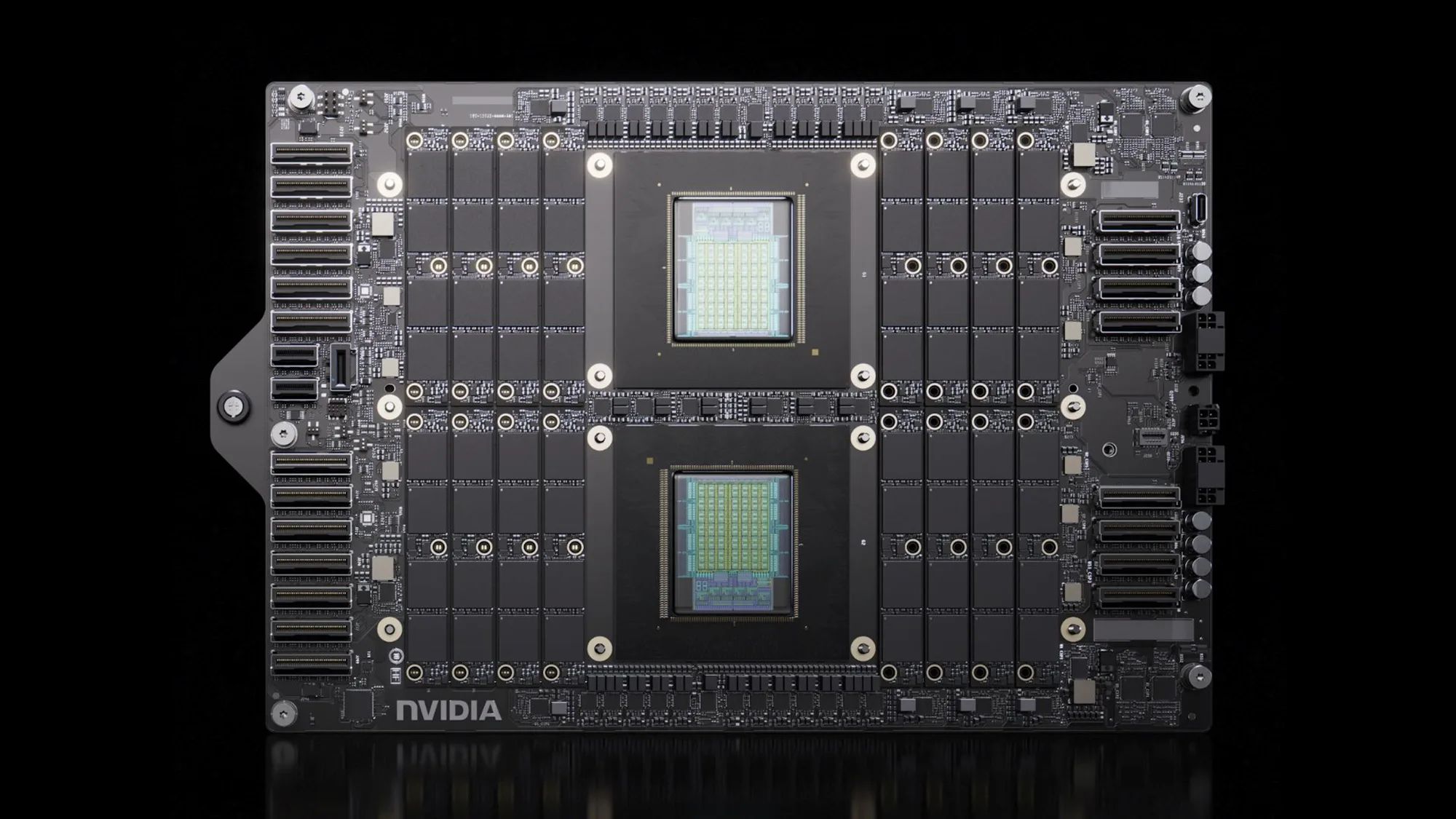
Image Credits: NVIDIA Newsroom
NVIDIA unveiled its new Vera CPU at GTC. On the surface, it is a chip launch. In reality, it is a statement about where AI infrastructure is heading next.
NVIDIA says Vera is its first CPU built specifically for agentic AI and reinforcement learning, not general-purpose computing.
The company claims Vera delivers 50% faster performance and twice the efficiency versus traditional rack-scale CPUs.
That matters because agentic AI does not just run models. It also coordinates tools, data, code, validation, and orchestration at scale.
Vera is designed to work tightly with NVIDIA’s broader stack, including Rubin GPUs, NVLink-C2C, BlueField DPUs, and ConnectX networking.
This makes the launch less about a standalone CPU and more about NVIDIA deepening control over the full AI factory architecture.
The ecosystem support is also notable, with cloud providers, server makers, labs, and companies like Cursor and Redpanda already planning deployments.
If these performance claims hold in production, Vera could strengthen NVIDIA’s position in the next AI race: infrastructure built for continuous, multi-agent workloads.
This feels like a strategic move disguised as a hardware announcement. NVIDIA already won mindshare with GPUs. Now it is trying to define the operating logic of agentic AI itself. That is the bigger story. As AI systems become less about one model and more about many coordinated processes, whoever controls the full stack gains leverage. Vera matters because it suggests NVIDIA sees the future clearly: AI will not just need acceleration. It will need orchestration built into the machine
STRATEGY
Britannica’s lawsuit shows the AI battle is shifting

Encyclopedia Britannicia and Merriam-Webster have sued OpenAI. The case turns a broad AI debate into a direct legal challenge from two trusted information brands.
Britannica says OpenAI used nearly 100,000 copyrighted online articles without permission to train its models.
The lawsuit also claims OpenAI reproduces parts of that material in outputs and uses Britannica content inside retrieval-based systems.
There is a second layer here: Britannica argues that false answers wrongly attributed to its brand create trademark and reputation harm, not just copyright risk.
That matters because the case is not only about what AI models learned, but also about what they say, cite, and appear to borrow.
Britannica joins a growing line of publishers suing OpenAI, including The New York Times, Ziff Davis, and multiple newspapers across the U.S. and Canada.
The legal picture is still unsettled, since courts have not fully decided whether training on copyrighted material is infringement or protected transformation.
That uncertainty is why these cases matter so much: they may define the rules for how AI companies build products on top of published knowledge.
This lawsuit feels important for a reason beyond copyright. Britannica is not just another publisher. It represents trust, authority, and a long history of organized knowledge. When a company like that sues, it makes the debate feel less abstract. The key question is no longer whether AI is impressive. It is whether AI businesses can scale by absorbing other people’s work without clear permission, payment, or accountability. That is the pressure point now.
Free Guides
🚀 Founders & AI Builders, Listen up!
If you’ve built an AI tool, here’s an opportunity to gain serious visibility.
Nextool AI is a leading tools aggregator that offers:
500k+ page views and a rapidly growing audience.
Exposure to developers, entrepreneurs, and tech enthusiasts actively searching for innovative tools.
A spot in a curated list of cutting-edge AI tools, trusted by the community.
Increased traffic, users, and brand recognition for your tool.
Take the next step to grow your tool’s reach and impact.
That's a wrap:Please let us know how was this newsletter: |
Reach 150,000+ READERS:
Expand your reach and boost your brand’s visibility!
Partner with Nextool AI to showcase your product or service to 140,000+ engaged subscribers, including entrepreneurs, tech enthusiasts, developers, and industry leaders.
Ready to make an impact? Visit our sponsorship website to explore sponsorship opportunities and learn more!