- Nextool AI
- Posts
- The Cost of Sudden AI Popularity
The Cost of Sudden AI Popularity
Plus: Samsung Wants AI to Feel Invisible

Jafar Najafov
March 03, 2026 • Read this in 3 minutes
In partnership with

Today we will see, three separate AI stories broke this week, but they point to the same shift. The Supreme Court declined to protect AI-generated art. Anthropic’s Claude surged in popularity, then suffered a widespread outage. Samsung took the stage at MWC to position Galaxy AI as an agentic ecosystem. Law, infrastructure, and hardware are all being stress-tested at once. AI is no longer experimental. It is colliding with reality.
In today’s post:
When AI popularity breaks the product
Samsung’s AI shift is bigger than a phone launch
The Supreme Court just drew a line around AI art
SPONSORED BY
Free, private email that puts your privacy first

A private inbox doesn’t have to come with a price tag—or a catch. Proton Mail’s free plan gives you the privacy and security you expect, without selling your data or showing you ads.
Built by scientists and privacy advocates, Proton Mail uses end-to-end encryption to keep your conversations secure. No scanning. No targeting. No creepy promotions.
With Proton, you’re not the product — you’re in control.
Start for free. Upgrade anytime. Stay private always.
What’s Trending Today
STRATEGY
Claude surged to the top, then went dark

Anthropic’s Claude hit the App Store summit this weekend. By Monday morning, thousands could not log in. Success can expose fragility.
Here’s everything you need to know:
Anthropic reported widespread disruptions affecting Claude.ai and Claude Code.
Users mostly hit errors during login and logout flows.
The company said its API remained functional during the outage.
The spike followed intense public attention around Pentagon negotiations.
Claude climbed past ChatGPT in App Store rankings after years outside the top 20.
President Donald Trump told federal agencies to stop using Anthropic products last week.
The controversy appears to have driven curiosity, downloads, and sudden load.
Here’s the pattern. Attention creates demand. Demand stress-tests infrastructure. Outages are rarely just technical failures. They are growth events in disguise. When distribution jumps overnight, systems reveal what teams did not expect to test yet. The real story is not that Claude went down. It is that public controversy translated into product adoption. The next phase of AI competition will hinge less on model quality and more on reliability under pressure.
BREAKTHROUGH
Samsung is turning Galaxy into an AI system
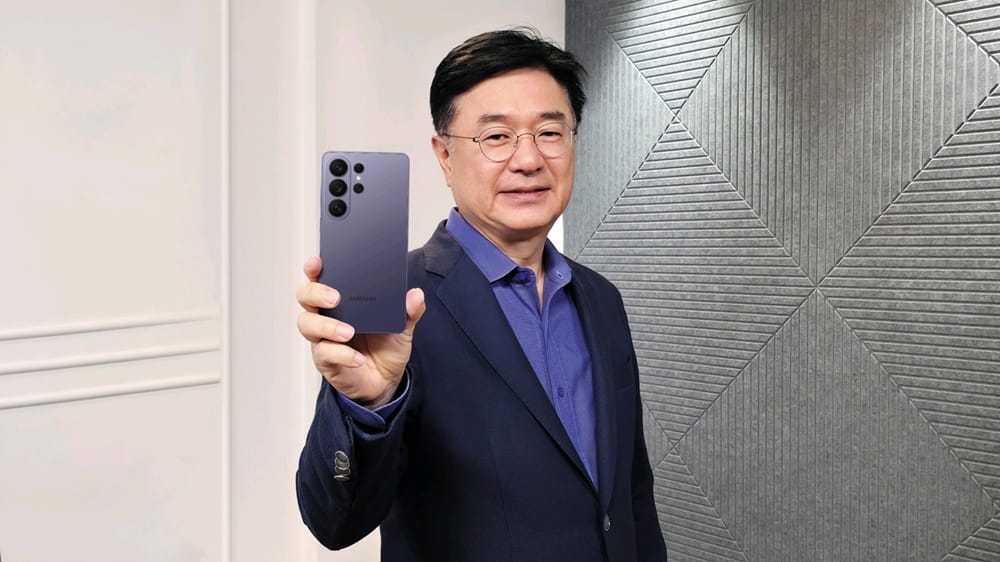
Image Credits: Samsung Newsroom
At MWC 2026 in Barcelona, Samsung went beyond hardware. It introduced a broader vision for Galaxy AI. This is not just a device update.
Here’s everything you need to know:
Samsung centered its showcase on the new Galaxy S26 series as an AI-first phone.
The company framed Galaxy AI as “agentic,” meaning it anticipates and acts.
Features like Now Brief and Now Nudge push proactive suggestions into daily use.
Bixby, Gemini, and Perplexity now sit behind a single entry point.
AI enhancements extend across Galaxy Buds4, Galaxy Watch8, and Galaxy Tab S11.
Samsung also previewed XR and TriFold form factors as future AI surfaces.
Beyond devices, the company outlined AI-driven factories and autonomous networks by 2027.
Notice the shift. This is ecosystem gravity. When hardware matures, intelligence becomes the differentiator. Samsung is betting that AI is not an app but a layer across everything it builds. The real competition is no longer camera specs or chip speeds. It is which company can create a system that feels cohesive, predictive, and quietly helpful. The winners will be those who make AI disappear into the experience.
POLICY
AI can create, but it still cannot own.

Image Credits: Medium
The U.S. Supreme Court just stepped away from a defining AI case. And that silence may shape creative law for years. The Court declined to hear a dispute over AI-generated art.
Here’s everything you need to know:
Computer scientist Stephen Thaler sought copyright for artwork his AI system, DABUS, created independently.
The U.S. Copyright Office rejected the application, saying authors must be human.
Lower courts upheld that view, calling human authorship a bedrock rule.
The Supreme Court refused to review the case, leaving that rule intact.
The administration argued the Copyright Act clearly assumes a human creator.
Similar claims involving AI-generated inventions have already failed in patent disputes.
Meanwhile, artists using tools like Midjourney face a different question: where does assistance end and authorship begin?
This decision is quiet. But it draws a bright boundary. Law moves slower than technology because it protects incentives. Copyright exists to reward human effort, not machine output. Until lawmakers redefine “author,” AI will remain a tool, not a creator. The real battle will not be about whether AI can create. It will be about how much human input is enough to claim ownership.
Free Guides
🚀 Founders & AI Builders, Listen up!
If you’ve built an AI tool, here’s an opportunity to gain serious visibility.
Nextool AI is a leading tools aggregator that offers:
500k+ page views and a rapidly growing audience.
Exposure to developers, entrepreneurs, and tech enthusiasts actively searching for innovative tools.
A spot in a curated list of cutting-edge AI tools, trusted by the community.
Increased traffic, users, and brand recognition for your tool.
Take the next step to grow your tool’s reach and impact.
That's a wrap:Please let us know how was this newsletter: |
Reach 150,000+ READERS:
Expand your reach and boost your brand’s visibility!
Partner with Nextool AI to showcase your product or service to 140,000+ engaged subscribers, including entrepreneurs, tech enthusiasts, developers, and industry leaders.
Ready to make an impact? Visit our sponsorship website to explore sponsorship opportunities and learn more!