- Nextool AI
- Posts
- U.S. just made AI chip exports 25% more expensive!
U.S. just made AI chip exports 25% more expensive!
Plus: AI is already reshaping legal work, just not evenly

Jafar Najafov
January 16, 2026 • Read this in 3 minutes
In partnership with

Today we are going to see The U.S. just hit Nvidia’s AI chips with a 25% tariff. It’s a strategic move meant to limit China without choking American chipmakers. Also AI is showing up in more law firms, but not how you'd expect. Most lawyers use it sparingly and only when the risk feels low.
In today’s post:
AI is quietly reshaping how legal work gets done
Nvidia can sell AI chips to China but it’s going to cost
McConaughey just drew a line in the sand
SPONSORED BY
Close more deals, fast.

When your deal pipeline actually works, nothing slips through the cracks. HubSpot Smart CRM uses AI to track every stage automatically, so you always know where to focus.
Simplify your pipeline with:
Instant visibility into bottlenecks before they cost you revenue
Clear dashboards highlighting deals in need of the most attention
Automatic tracking so your team never misses a follow-up
Start free today. No credit card required.
What’s Trending Today
BREAKTHROUGH
How 10 top lawyers actually use AI
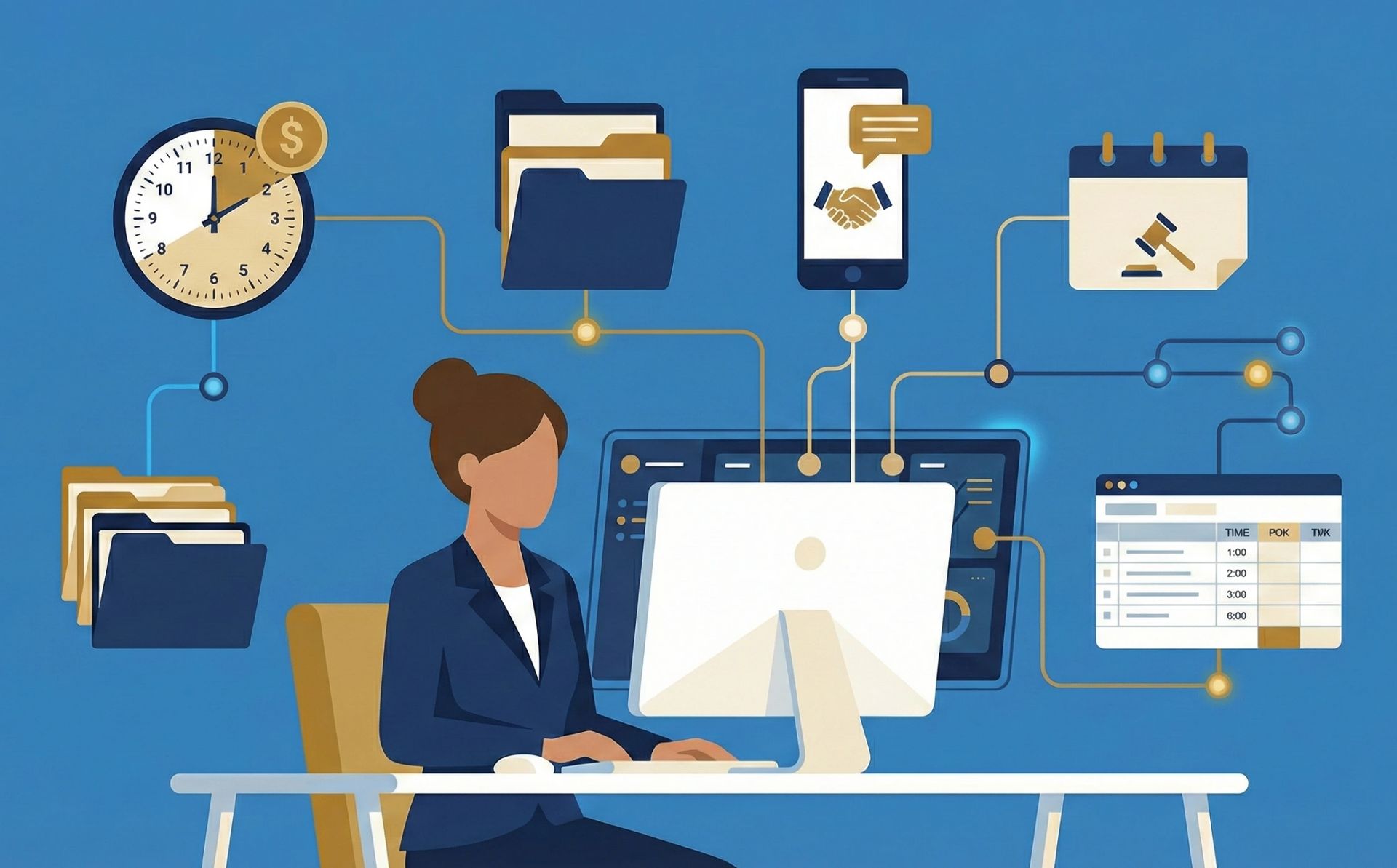
AI is showing up in more law firms but not the way you'd think. Behind the buzz, most adoption is cautious, uneven, and highly dependent on the task.
Here’s everything you need to know:
A Harvard law student interviewed 10 lawyers from top firms to see how AI fits into daily legal work.
Everyone agreed AI can help but actual usage depends on task importance, experience level, and firm culture.
AI tools are widely used for writing and editing emails, where mistakes are low-stakes and tone matters.
High-stakes tasks like contract clauses or litigation filings require deep review, which often cancels out time saved by AI.
Tools like Harvey, DeepJudge, and Kira are gaining traction for early research and final document passes.
One big blocker? Lawyers often don’t know what AI tools can do or assume they’re still bad.
Pricing models also matter: firms billing by the hour may be less motivated to use tech that cuts hours.
Law firms aren’t ignoring AI, they’re negotiating with it. When quality control is easy, adoption spikes. When the stakes are high or tools are clunky, they retreat. But as AI improves and verification gets easier, we’re likely to see a tipping point. The firms that win won’t be the fastest adopters just the smartest ones.
POLICY
The U.S. just hit Nvidia’s AI chips with a 25% tariff
Image Credits: Reuters
The U.S. just made a strategic move in the AI chip race. A new 25% tariff will apply to Nvidia’s H200 chips headed for China.
Here’s everything you need to know:
The tariff targets advanced AI semiconductors produced abroad but exported from the U.S.
It affects Nvidia’s H200 chips and AMD’s MI325X, among others.
Nvidia supports the move, they’d rather sell with tariffs than not sell at all.
These chips are in high demand, and Chinese companies have already placed early orders.
China may ease its current stance and allow limited imports to avoid falling behind in AI.
The U.S. says this is about reducing dependence on foreign chipmakers, it currently makes only 10% of its own chips.
Chips used inside the U.S. for research or defense are exempt from the tariff.
This isn’t just a trade tweak, it’s strategic signaling. The U.S. wants to curb China’s access to cutting-edge AI while still feeding its own chipmakers. But tariffs alone won’t solve the bigger issue: America still doesn’t make enough of its own semiconductors. That’s the real bottleneck.
RESEARCH
Matthew McConaughey is the first actor to trademark his voice against AI

Image Credits: The Guardian
Matthew McConaughey doesn’t just want to be remembered for “alright, alright, alright.” He wants to control how and where it’s used in the AI era.
Here’s everything you need to know:
McConaughey has officially trademarked his voice and likeness, including clips from Dazed and Confused.
It's the first time an actor has used trademark law to block AI misuse of their image.
His goal: make sure any use of his voice or face is done with his consent.
This move comes amid a rise in deepfakes and AI-generated content featuring celebrities.
While there's no public misuse of his image yet, he’s taking proactive legal steps.
He’s also an investor in ElevenLabs, which has built an AI version of his voice with his permission.
Legal experts say more actors will likely follow as generative AI blurs the line between homage and theft.
McConaughey’s not trying to fight the future, he’s trying to shape it. And that’s smart. In a world where AI can replicate a voice in seconds, it’s only fair that the person behind the voice gets to decide how it’s used. His move sets a precedent. But the real question is: who’s next?
Free Guides
🚀 Founders & AI Builders, Listen up!
If you’ve built an AI tool, here’s an opportunity to gain serious visibility.
Nextool AI is a leading tools aggregator that offers:
500k+ page views and a rapidly growing audience.
Exposure to developers, entrepreneurs, and tech enthusiasts actively searching for innovative tools.
A spot in a curated list of cutting-edge AI tools, trusted by the community.
Increased traffic, users, and brand recognition for your tool.
Take the next step to grow your tool’s reach and impact.
That's a wrap:Please let us know how was this newsletter: |
Reach 150,000+ READERS:
Expand your reach and boost your brand’s visibility!
Partner with Nextool AI to showcase your product or service to 140,000+ engaged subscribers, including entrepreneurs, tech enthusiasts, developers, and industry leaders.
Ready to make an impact? Visit our sponsorship website to explore sponsorship opportunities and learn more!